Every Lawyer Will Face This Moment. The Question Is: Will You Be Ready?
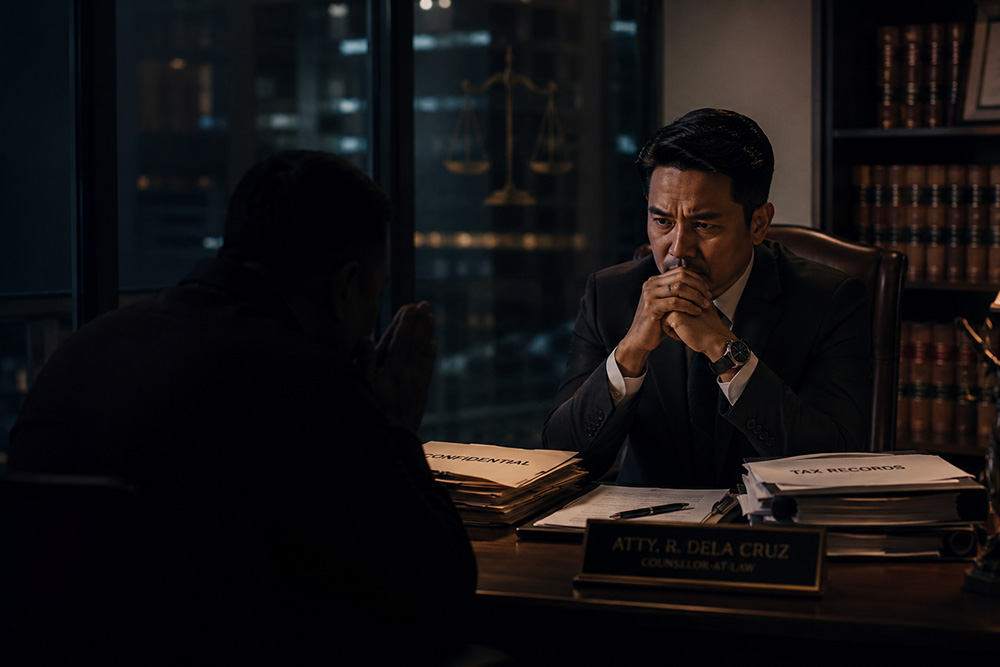
A client leans across your desk and quietly admits guilt.
A corporation asks you to approve a tax strategy that feels legally questionable.
A longtime client pressures you to "just make it work."
A witness is about to lie.
A lucrative engagement could put your reputation—and your law license—at risk.
These situations are not rare. They are the moments that define careers.
The Lawyer's Dilemma: Confronting Ethics When Clients Push the Limits is not another ethics course that merely recites rules from the CPRA. It is a practical, reality-based exploration of the most difficult professional responsibility questions lawyers face in actual practice.
Through powerful scenarios drawn from criminal defense, litigation, corporate practice, and tax law, this course places you directly in the lawyer's chair and asks the question every practitioner eventually confronts:
What do you do when your duty to your client collides with your duty to the court, your profession, and your own conscience?
Unlike traditional ethics programs that focus on abstract principles, this course uses realistic case studies, decision-making frameworks, and high-stakes professional dilemmas to help lawyers navigate situations where the right answer is not always obvious.
Participants will examine:
Whether lawyers should continue representing clients who admit guilt
The limits of confidentiality and the duty of candor
When declining or withdrawing from representation becomes an ethical obligation
The often-misunderstood distinction between legitimate tax avoidance and unlawful tax evasion
How to protect your reputation, your practice, and your law license when clients push ethical boundaries
What makes this program particularly valuable is its hybrid approach to legal ethics and tax practice. Rather than discussing ethics in isolation, the course demonstrates how professional responsibility rules operate in one of the most challenging areas of practice—tax law—where aggressive advocacy, client pressure, and regulatory scrutiny frequently intersect.
More importantly, participants will leave with a practical Ethical Decision-Making Framework that can be immediately applied to real client situations, helping lawyers analyze difficult cases with greater clarity, confidence, and professional judgment.
Why take this course?
Because ethical mistakes rarely begin with bad intentions.
They begin with pressure. Pressure from clients. Pressure from business realities. Pressure from loyalty. Pressure from success.
This course equips lawyers to recognize those pressures before they become professional liabilities.
Whether you are a solo practitioner, litigation lawyer, corporate counsel, tax lawyer, government lawyer, or in-house legal adviser, this program offers practical guidance for situations that no law school class fully prepares you for.
Clients may test your judgment.
Courts may test your integrity.
This course helps ensure that neither costs you your reputation.
Because in the end, a lawyer's greatest asset is not a winning case.
It is the trustworthiness of their judgment when the stakes are highest.